One of the biggest is charging capacity. Hardwired chargers can often support higher amperage levels than plug-in setups. Many plug-in chargers max out around 40 amps because of outlet limitations and electrical code requirements. Hardwired systems can commonly handle 48 amps or more depending on the electrical circuit and charger model.
For many drivers, though, that extra speed may not matter very much. If your car charges overnight while you sleep, even moderate charging speeds are usually enough for normal commuting.
Safety is another area where the hardwired vs plug in EV charger difference becomes important. A properly installed outlet setup is generally safe, but outlets and plugs create additional connection points where heat can build up over time. Loose connections, worn receptacles, or poor installation can sometimes lead to overheating issues.
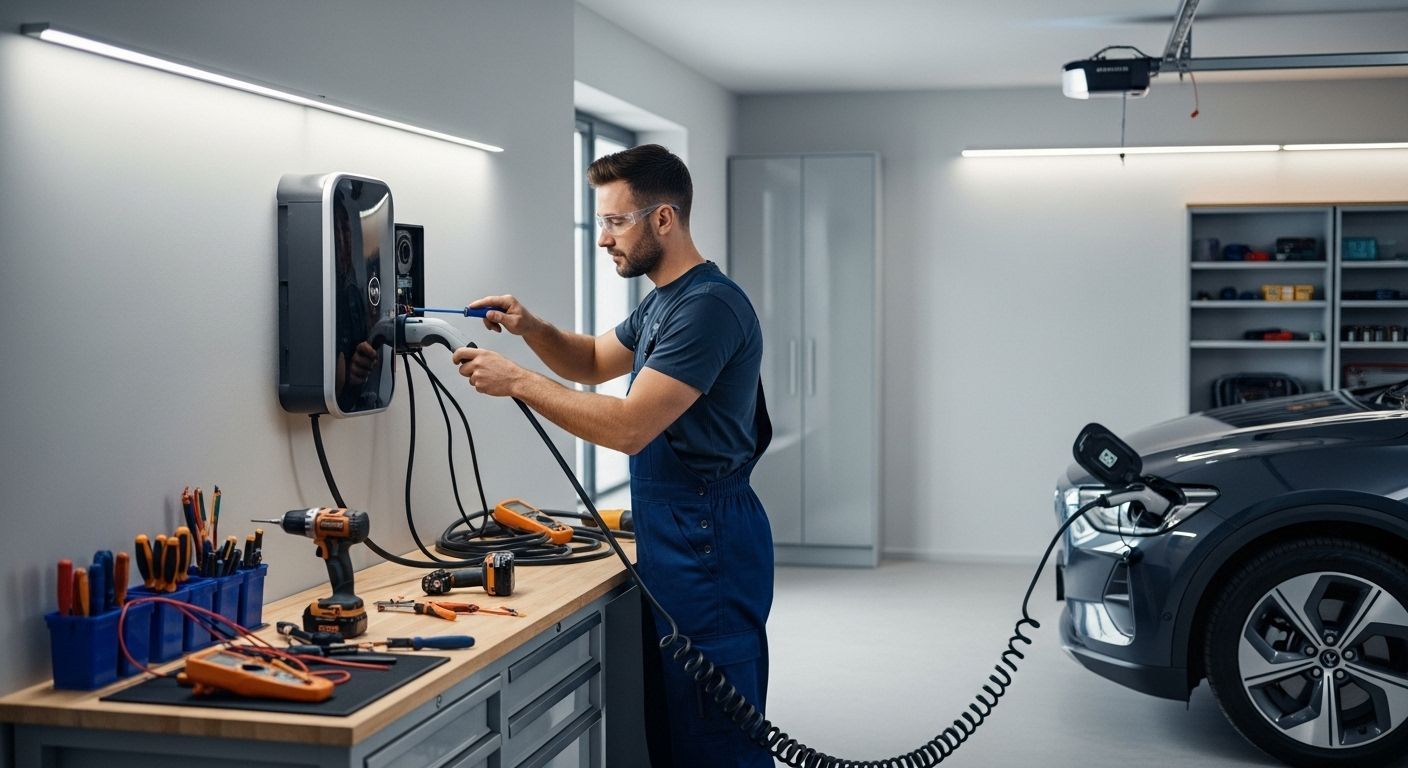
Hardwired systems eliminate the outlet entirely, which reduces the number of failure points. That’s one reason some electricians prefer hardwired installations, especially for higher-powered charging.
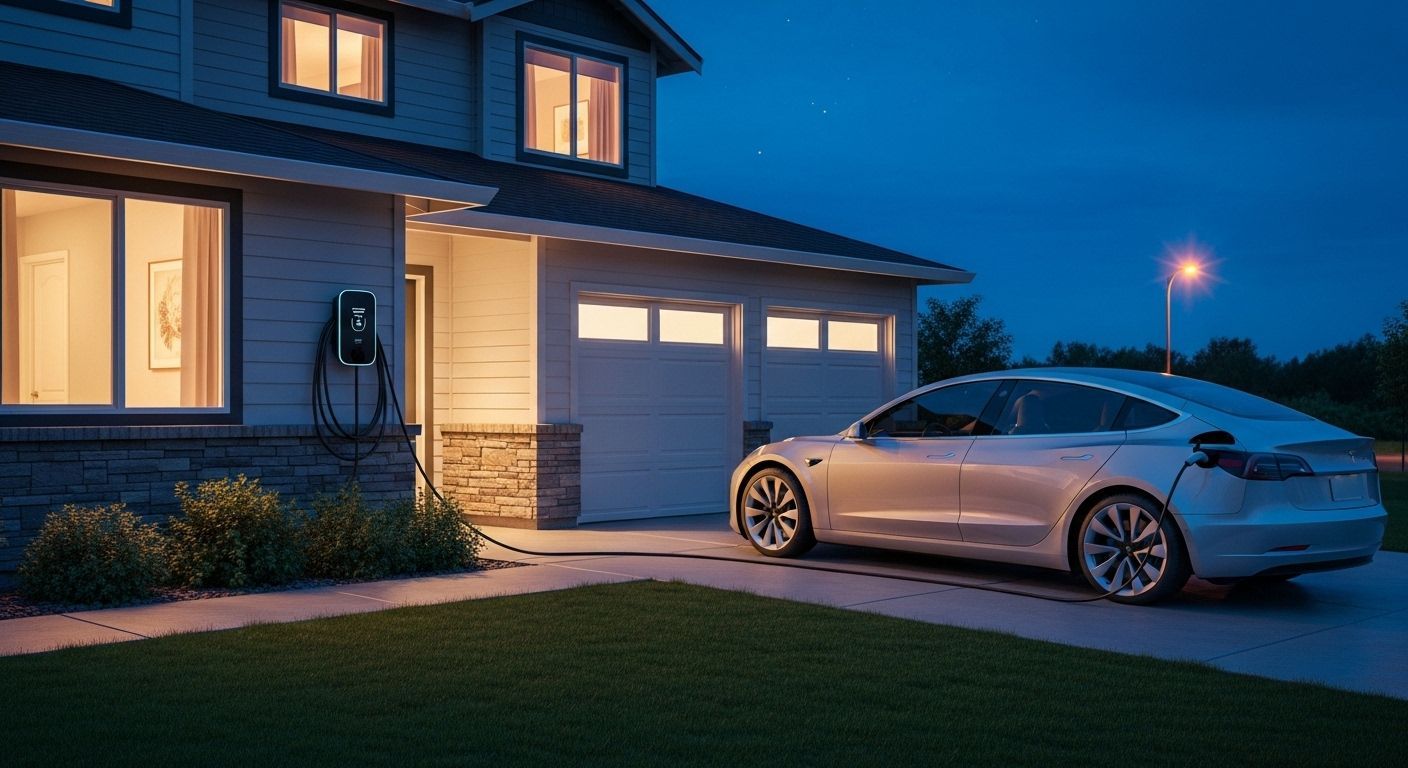
Weather exposure matters too. If the charger is installed outdoors, hardwired setups often provide better long-term durability because there’s no exposed plug connection dealing with heat, moisture, or dust. In garages, either option usually works fine as long as the equipment is rated appropriately.
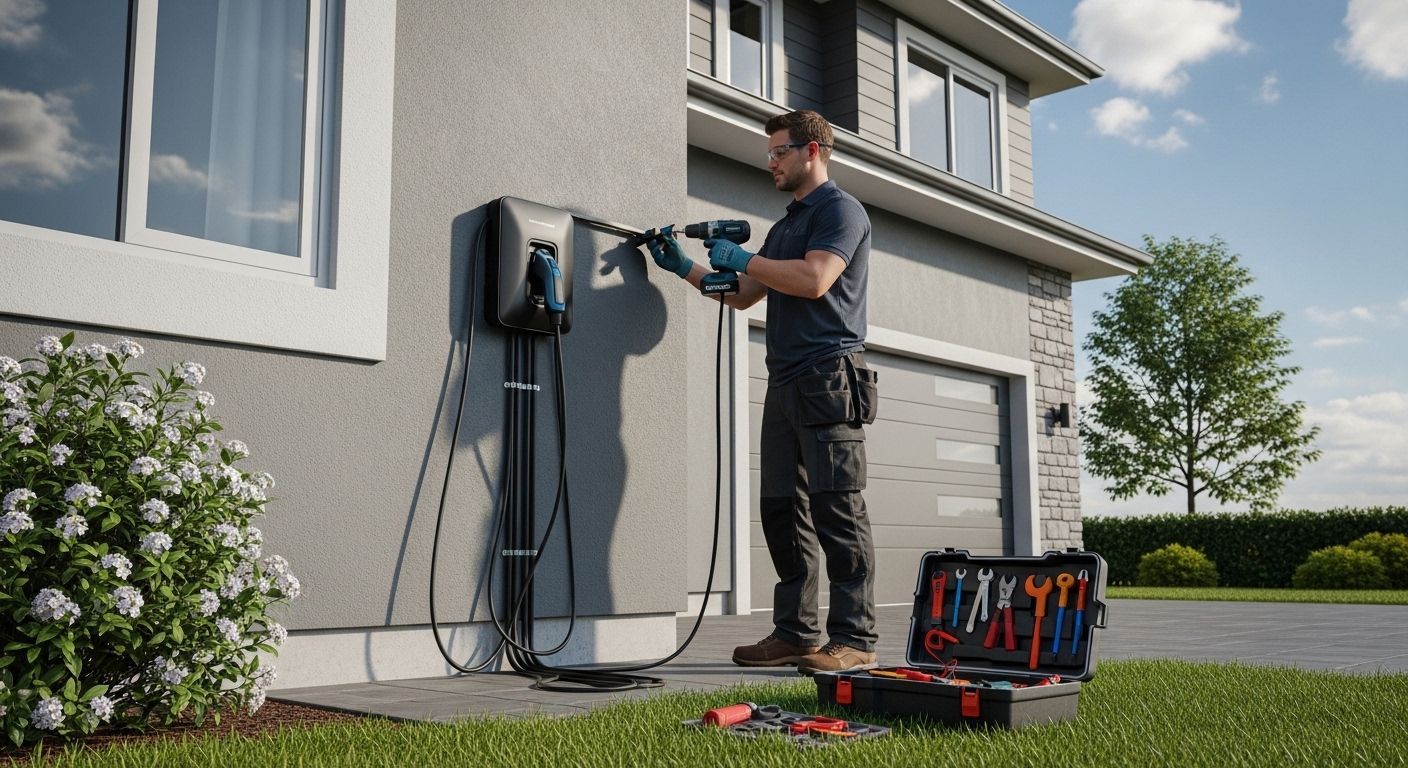
Installation costs can vary depending on the situation. Sometimes plug-in chargers are slightly cheaper to install because electricians can use a standard outlet configuration. Other times, the cost difference is minimal since both still require dedicated circuits and proper wiring.
One thing homeowners don’t always think about is local electrical code. Some jurisdictions have specific rules about GFCI protection, outlet types, or charger configurations that can influence the best option. Certain plug-in charger setups may require additional protective equipment that slightly complicates the installation.
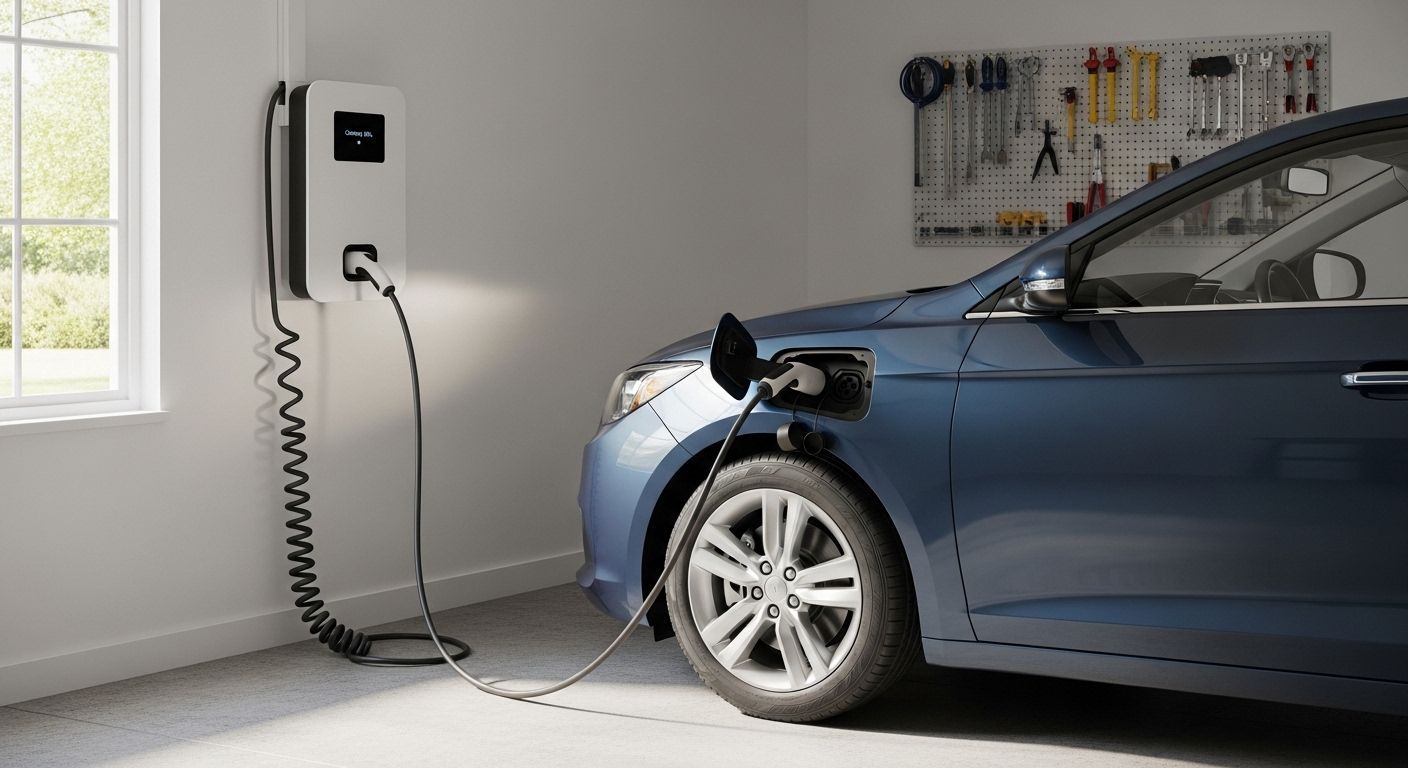
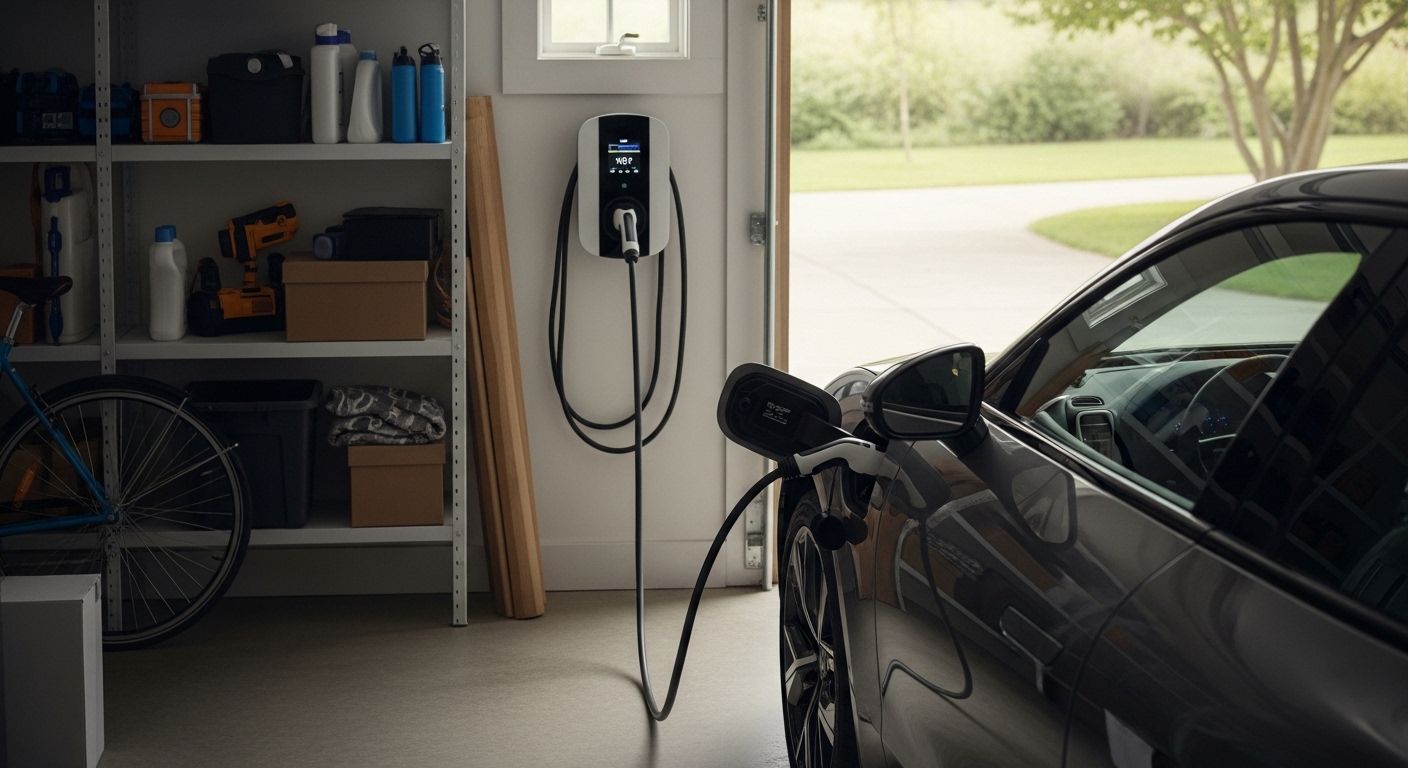
Aesthetics also play a role more than people expect. Hardwired chargers tend to look cleaner because there’s no visible outlet or heavy plug hanging nearby. For homeowners focused on a polished garage setup, that simplicity can matter.
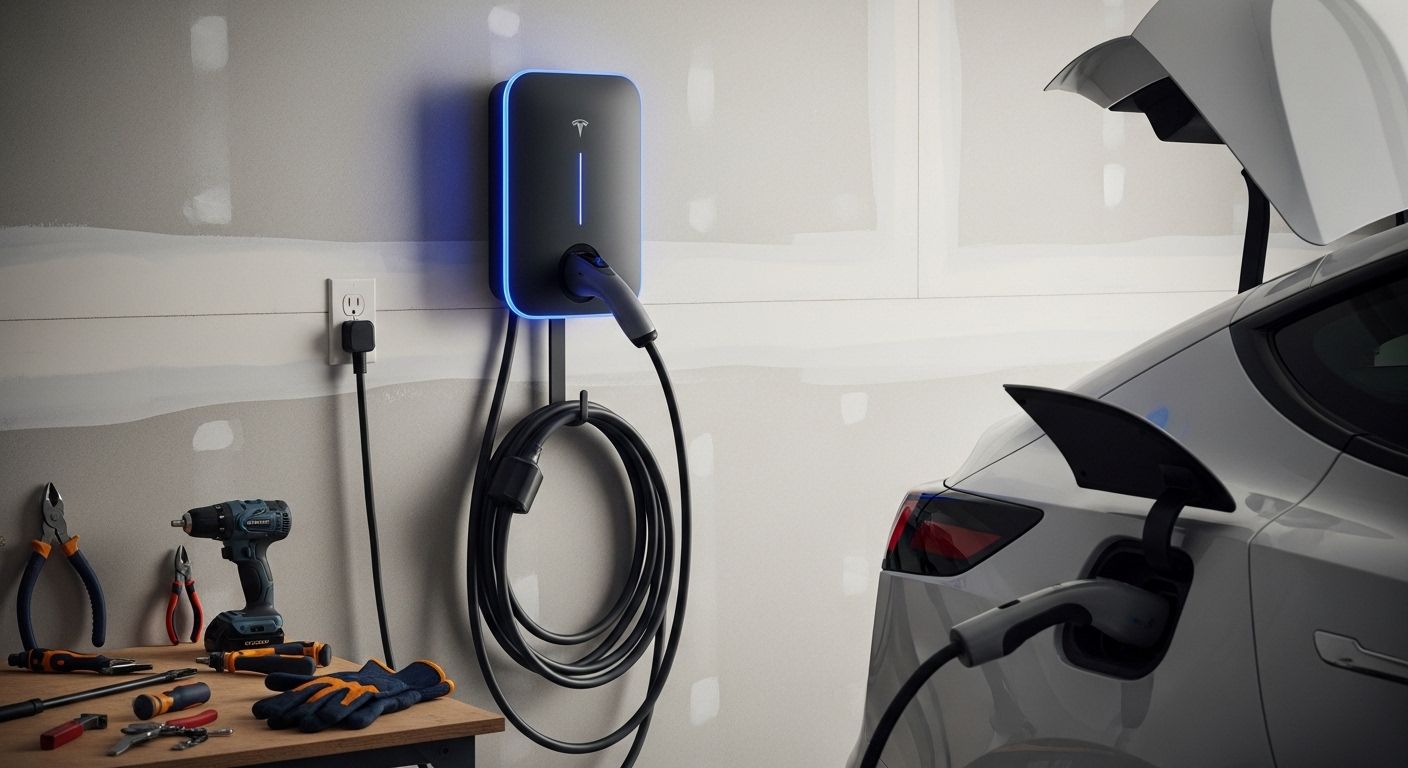
Future flexibility matters too. EV technology is changing quickly. Some homeowners prefer plug-in chargers because they can swap models later without rewiring the system completely. If a newer charger with better features comes out in a few years, unplugging and replacing it feels easier than modifying a hardwired installation.
On the other hand, many people install one charger and leave it there for years without ever thinking about it again. In those cases, hardwired setups often feel more streamlined and permanent.
Power management is worth mentioning as well. Many modern chargers include smart charging features regardless of whether they’re hardwired or plugged in. Scheduling, energy monitoring, load balancing, and app controls are available in both categories now, so the connection type doesn’t necessarily determine the charger’s technology level.
At the end of the day, the hardwired vs plug in EV charger difference comes down to balancing flexibility against permanence. Plug-in chargers offer easier replacement and portability. Hardwired chargers offer cleaner installation, fewer connection points, and often higher charging capacity.
For most homeowners, either option can work extremely well if it’s installed properly and matched to the home’s electrical system. The important thing isn’t really the plug itself — it’s making sure the setup is safe, reliable, and fits how you actually use your EV day to day.