The core issue is battery chemistry. Lithium-ion batteries — what every mainstream EV uses — don't like cold. The chemical reactions that store and release energy slow down significantly when temperatures drop, and the battery management system responds by limiting how much power the pack can deliver and accept. On the range side, most EVs lose somewhere between 20 and 40 percent of their rated range in sustained cold — and that's not a manufacturer defect or a lemon, it's physics. A car rated at 300 miles of range might realistically deliver 200 to 220 miles on a cold January day in Wisconsin when you factor in battery limitations and the energy cost of running the cabin heater, which in an EV comes directly out of the battery rather than from waste engine heat the way it does in a gas car.
How Cold Weather Affects EV Charging Speed and Range in the Midwest
If you're driving an EV in the Midwest, you already know that winter changes the equation in ways that nobody fully prepares you for when you're buying the car. The cold weather EV charging speed and range issues that Midwest drivers deal with are real, they're significant, and they're worth understanding clearly so you're not caught off guard on a January morning in Minneapolis or Chicago when your car shows a lot less range than you expected.
Getting an EV Charger Installed in a Condo or Apartment Building Is Possible — Here's How
Get a Free Quote
Contact Us
Why Choose EV Charger Installation in Chicago?
Satisfied Clients


Charging speed takes a hit in the cold too, sometimes a dramatic one. When a battery is cold, the cells can only accept charge at a reduced rate — pushing full power into a cold battery risks damaging it, so the car's management system throttles the charging speed until the pack warms up. At a DC fast charger in freezing temperatures, you might see charging speeds that are 30 to 50 percent slower than the same car would accept in mild weather. Some vehicles are better at this than others — cars with active battery thermal management systems that can pre-condition the pack before a charging session handle cold significantly better than those without. If cold weather EV charging speed in the Midwest is something you're actively thinking about, it's worth researching which vehicles have active thermal management before you buy.
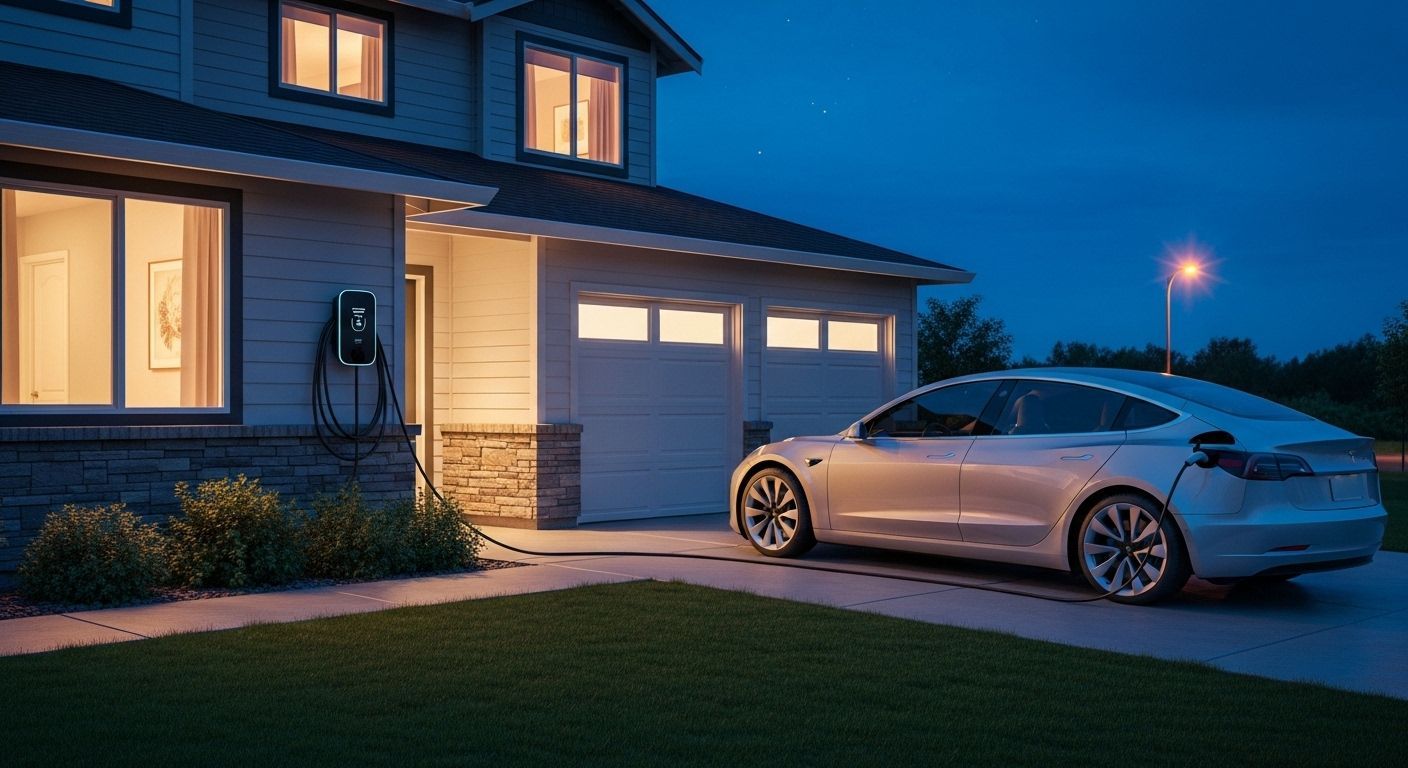
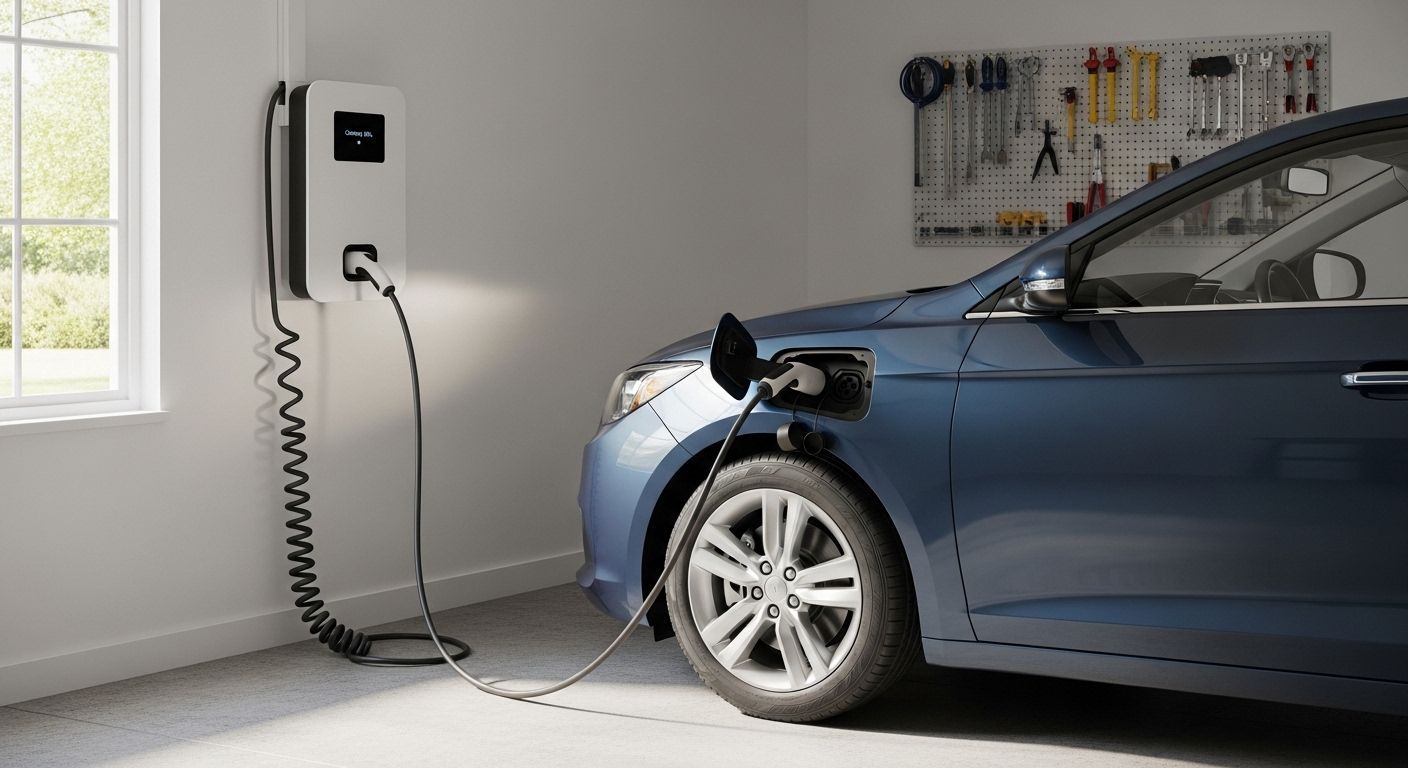
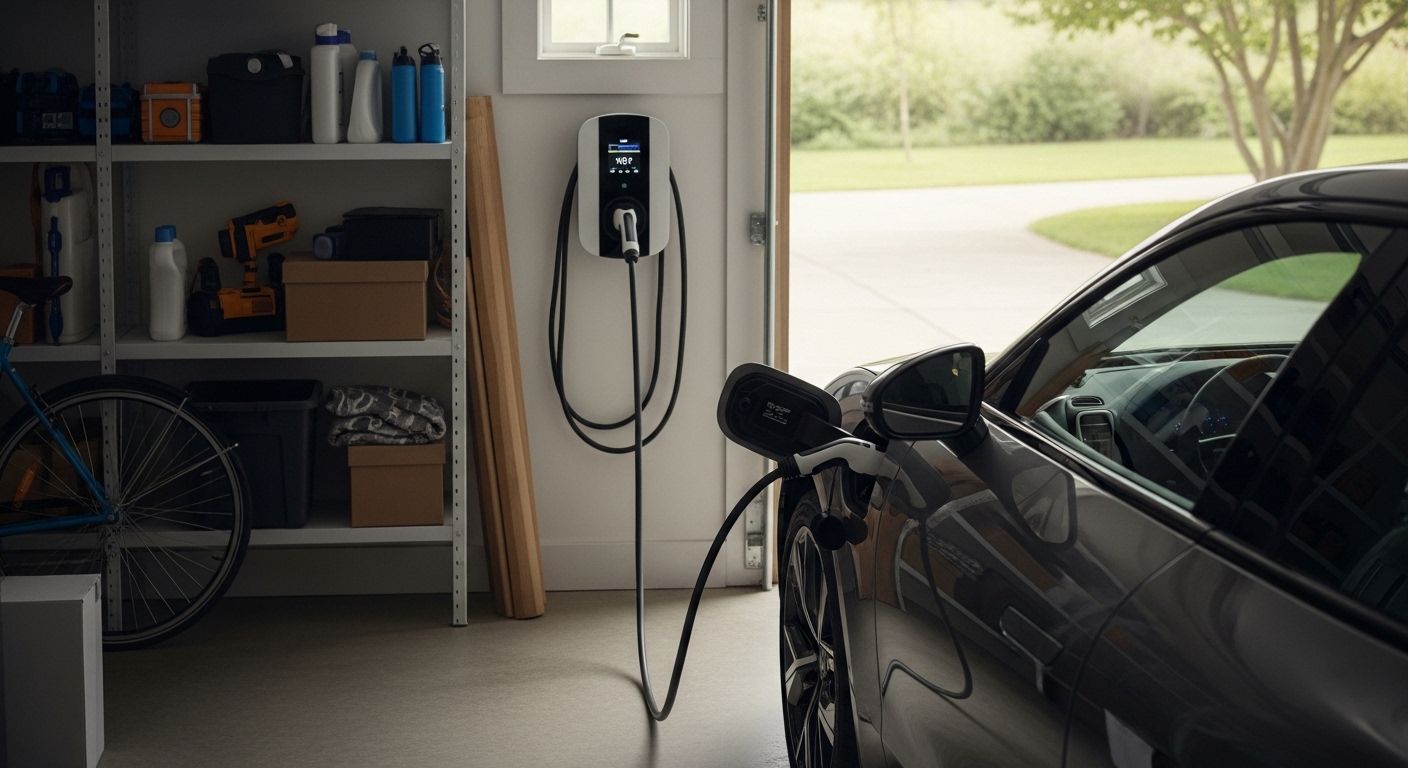
Pre-conditioning is the most practical tool in the cold weather EV toolkit, and it's underused. Most modern EVs allow you to schedule cabin and battery pre-conditioning while the car is still plugged in — essentially using grid power to warm the battery and the interior before you unplug. This does two meaningful things: it gives you a warm cabin without draining the battery, and it brings the battery up to optimal temperature for both driving efficiency and charging speed. If you have a home charger and you're parking in a garage, even an unheated one, you're already at an advantage over someone parking outdoors — the garage moderates temperature enough to matter on extremely cold nights.
The range loss in cold weather also compounds with driving behavior. Highway speeds in winter — when you're running the heater, the heated seats, the defroster, and the lights — represent close to the worst-case scenario for EV efficiency. City driving at lower speeds with regenerative braking recovering energy is more forgiving. Midwest winter driving often involves a mix of both, which means real-world range on a daily commute in January is something you should mentally calculate at the lower end of the car's rated range rather than the middle.
For longer trips in the Midwest winter, charging stop planning matters more than it does in summer. The combination of reduced range and slower charging speeds at DC fast chargers means you may be stopping more frequently and waiting longer per stop than you would in July. Apps like PlugShare and ABRP — A Better Route Planner — let you input temperature and weather conditions into route calculations and give you more realistic estimates of range and charging stop timing than the car's built-in navigation sometimes does in cold conditions.
None of this means EVs don't work in the Midwest — plenty of people drive them year-round in Minnesota, Michigan, and Illinois without serious problems. But the cold weather EV charging speed and range realities in Midwest winters require a different mental model than mild-climate EV ownership. The drivers who handle it best are the ones who understand the battery chemistry basics, use pre-conditioning consistently, keep the car plugged in at home whenever it's not in use, and build a little more buffer into their range planning from November through March. Treat the cold as a variable to plan around rather than a flaw to be frustrated by, and it becomes manageable pretty quickly.