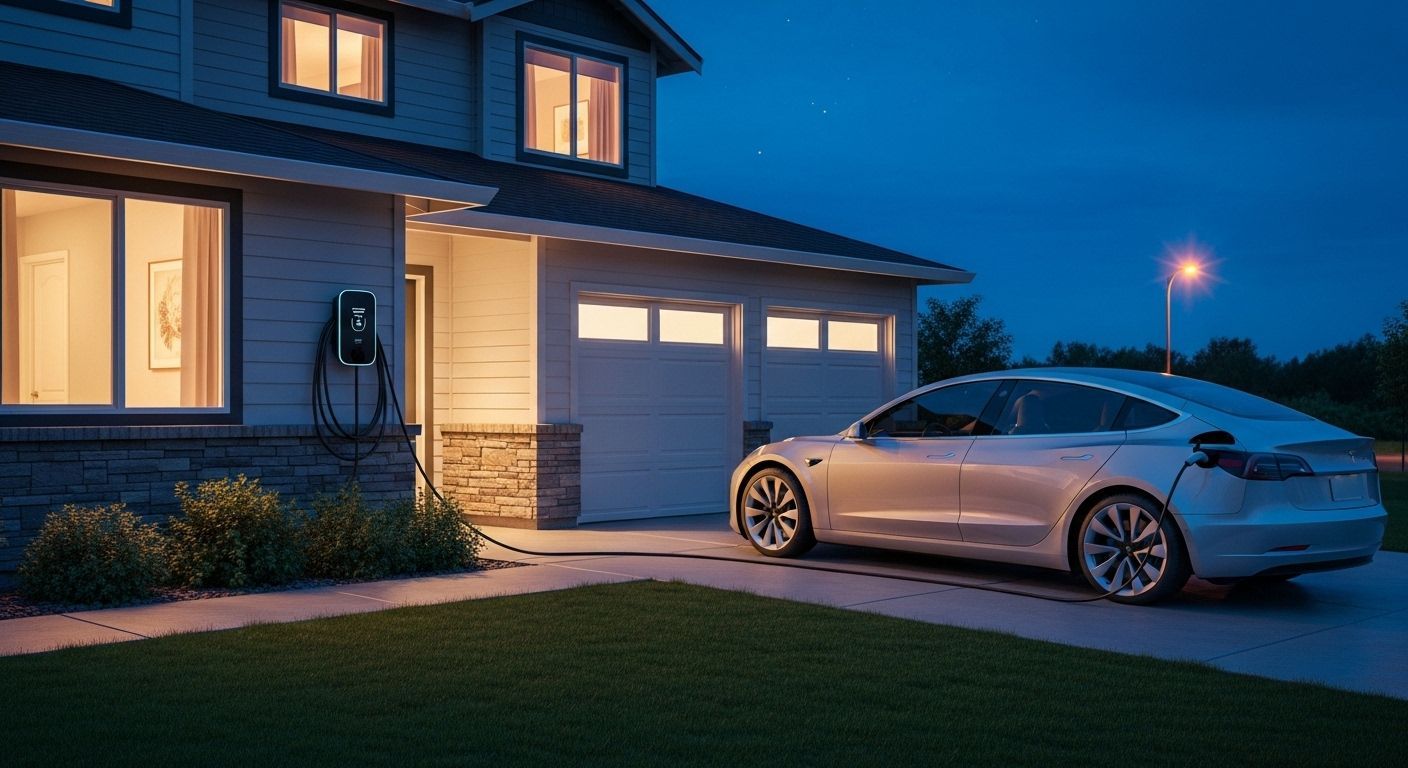
The biggest piece of Illinois EV incentives for home charger installation right now comes from the utilities, and specifically from ComEd if you're in northern Illinois. In February 2026, ComEd announced a seventy-million-dollar EV initiative, with more than four million dollars earmarked for residential charger rebates. The standard rebate gets you up to a thousand dollars toward the purchase and installation of a Level 2 charger, and if you qualify as a Select Customer — which covers lower-income households and residents in equity-eligible communities — that jumps to twenty-five hundred dollars. For a lot of homeowners, that covers most or all of the install cost before anything else is factored in.
How Illinois EV Incentives Can Offset the Cost of Home Charger Installation
If you're in Illinois and thinking about installing a home EV charger, the timing is actually pretty good — and better than a lot of people realize. The state hasn't gotten as much attention as California or Colorado on the EV front, but between your electric utility, a still-active federal tax credit, and the state's own vehicle rebate program, there's a real stack of money available if you know where to look. The challenge is that the landscape has shifted fast in 2025 and 2026, so some of what you've read before may already be out of date.
Illinois has good EV charger incentives right now — here's how to use them
Get a Free Quote
Contact Us
Why Choose EV Charger Installation in Chicago?
Satisfied Clients


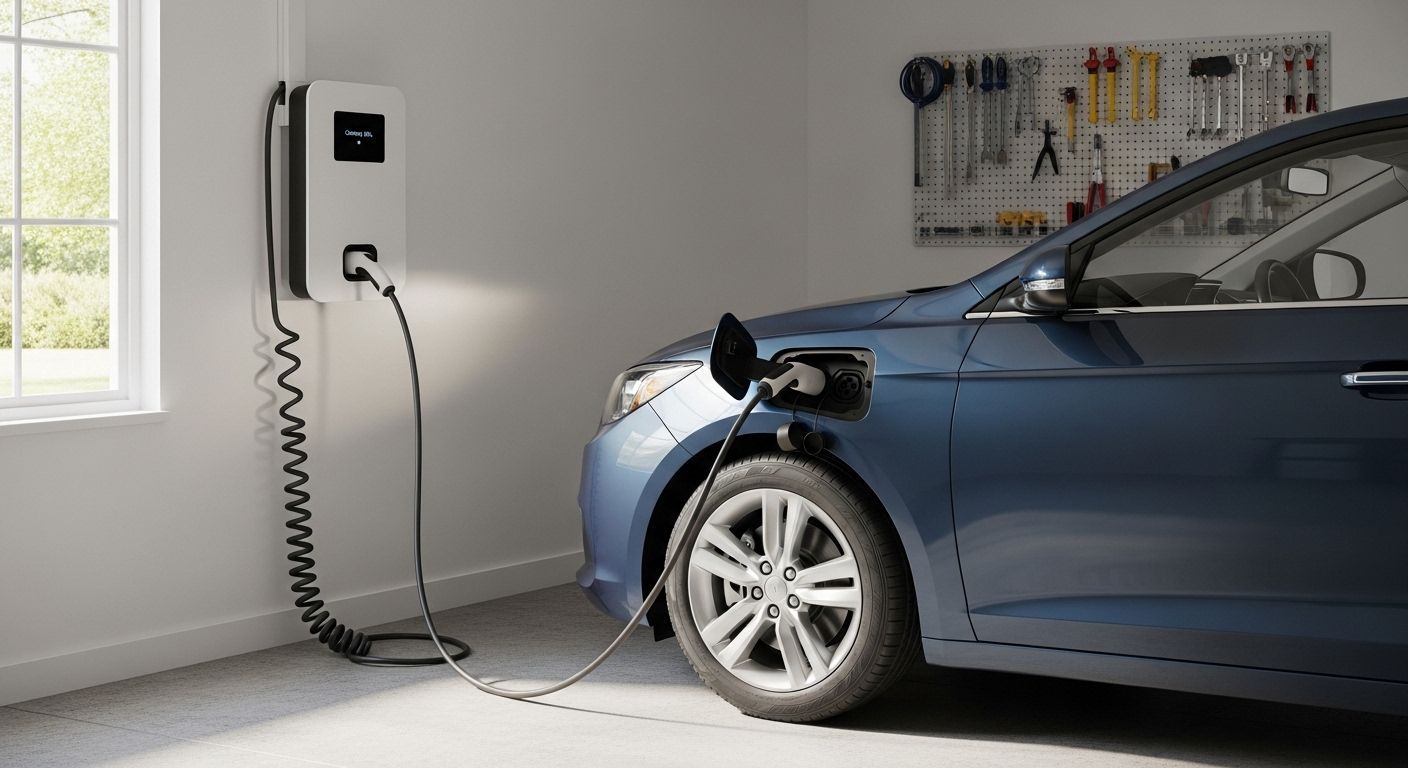
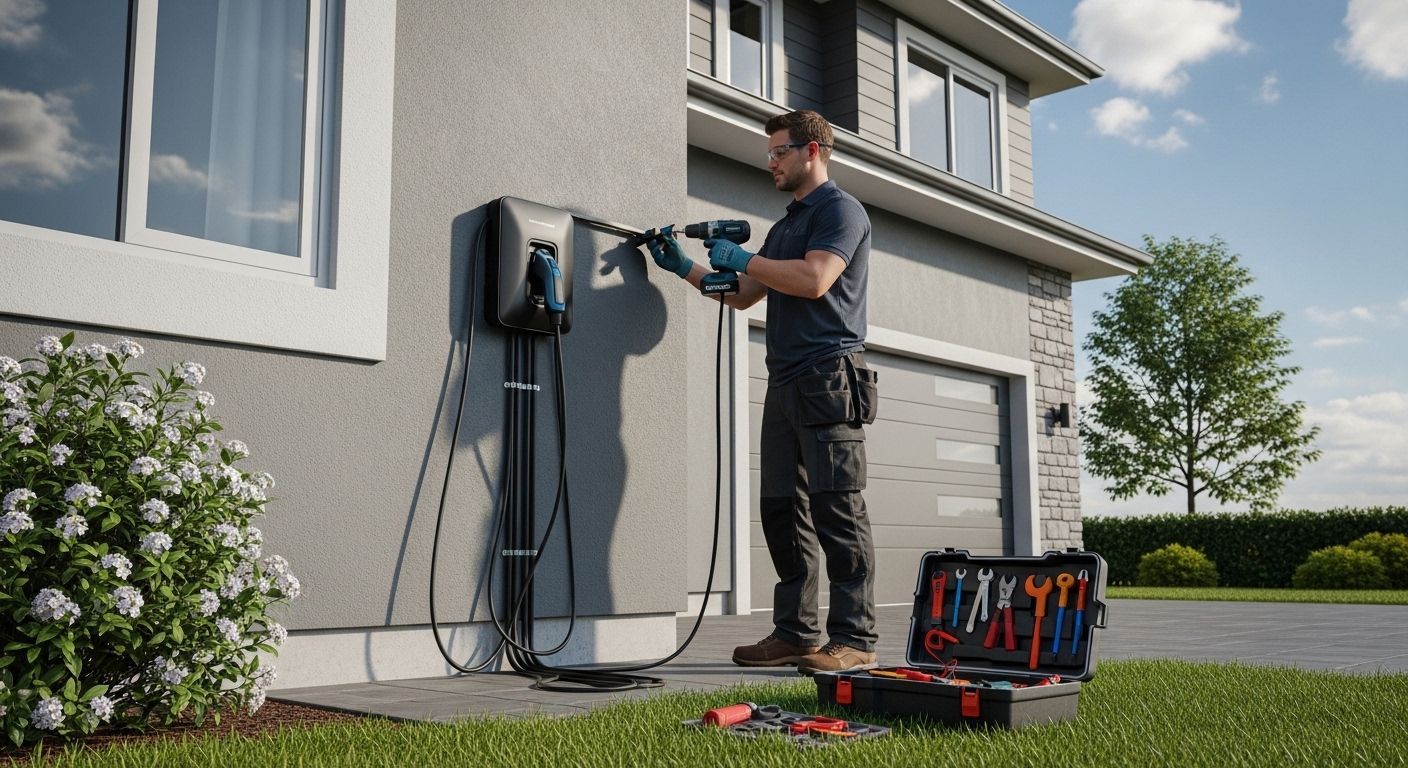
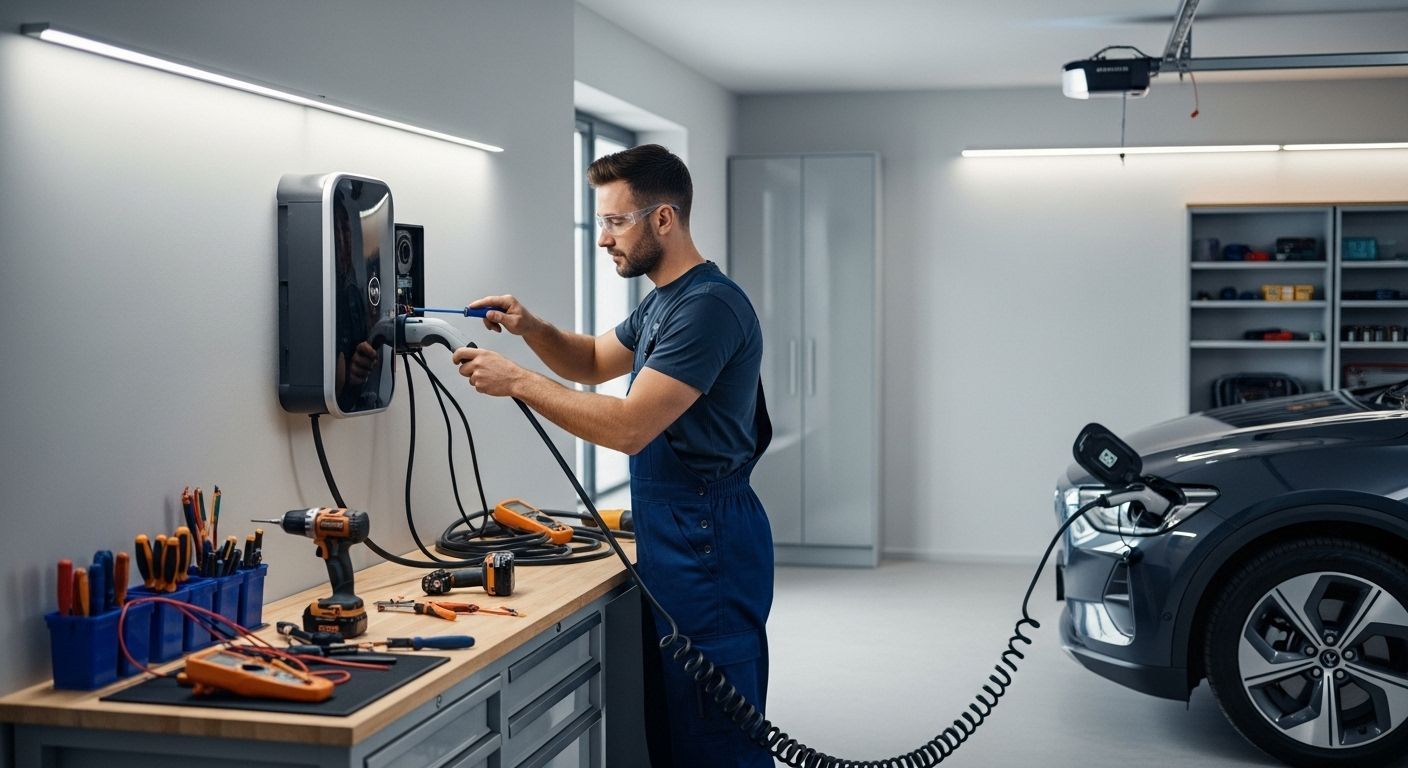
To qualify for the ComEd rebate, you need a few things in place. The charger itself has to be a WiFi-enabled Level 2 model — popular qualifying options include the ChargePoint Home Flex, JuiceBox 40, and Emporia Smart. Your installer needs to be an Illinois Commerce Commission certified EV Service Provider, not just any electrician. And you have to enroll in ComEd Hourly Pricing or a comparable time-of-use rate plan and stay enrolled for at least three years. That last requirement sounds like a catch, but it's actually a benefit — charging during off-peak hours (typically eleven at night to seven in the morning) cuts your per-mile electricity cost significantly. The good news on process: as of 2026, your installer handles the rebate application on your behalf, so the paperwork burden on you is minimal.
If you're served by Ameren Illinois rather than ComEd, the picture is more modest on the charger side — Ameren's direct charger rebates are smaller — but they do offer the ChargeSmart program, which rewards customers for shifting charging to overnight hours, plus enrollment incentives. Worth looking into, even if it's not as dramatic as what ComEd is offering.
On top of the utility side, there's still a federal tax credit in play, though the clock is running. The Section 30C Alternative Fuel Vehicle Refueling Property Credit covers thirty percent of your home charger installation costs, capped at a thousand dollars, and it's available through June 30, 2026. Unlike a rebate, this one comes off your federal tax bill directly — so you have to actually owe taxes to benefit, but for most homeowners that's not an issue. If you've been sitting on this decision, that deadline is a real reason to move. The federal vehicle tax credits — the seven-thousand-five-hundred dollar credit for new EVs and the four-thousand dollar credit for used — ended on October 1, 2025, but the charger credit got a separate, slightly longer runway.
A few cities are also running their own programs. Naperville offers up to five hundred dollars for Level 2 or DC fast charger installations, residential or business. Batavia has a five-hundred-dollar rebate for residential Level 2 installs. These are worth checking if you're in those areas — they stack with the utility and federal programs.
Before any of this, though, you need to know what your electrical panel can actually handle. Most Level 2 chargers need a dedicated 240-volt circuit with forty to sixty amps of capacity. If your home was built before 1990, there's a decent chance you have a hundred-amp panel, and depending on what else is running, you may need an upgrade before installation. That can add real cost — panel upgrades in Illinois typically run between one and three thousand dollars — but there are load management alternatives that sometimes let you avoid a full upgrade. A ComEd-certified installer will assess this as part of the quoting process, which is another reason to use one rather than a general electrician.
The bottom line is that understanding Illinois EV incentives for home charger installation is mostly about stacking the programs correctly: utility rebate first, federal tax credit second, and any local city program if one applies to you. Most homeowners in ComEd territory can get a Level 2 charger installed for very little out of pocket right now. That window won't last forever, and the federal credit specifically is expiring mid-year.